<- Back to Blog
Don't Step on Landmines When Buying a Home!
Gary ·
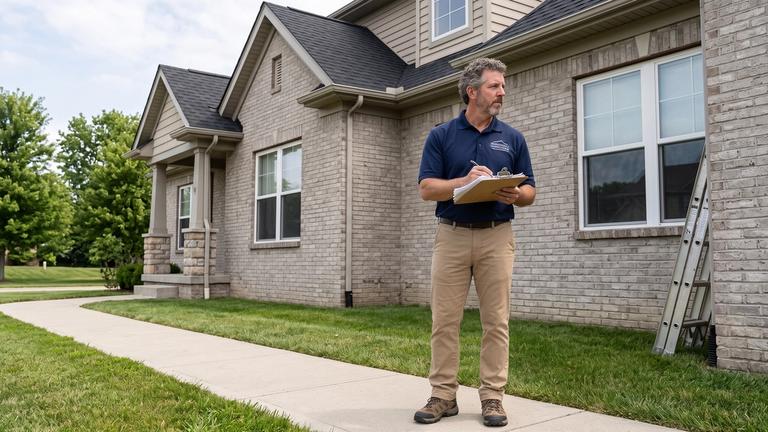
What We See vs. What You See
It is easy to get caught up in the aesthetics of a house, but professionals look beneath the surface. You might see a fresh coat of paint, while an inspector sees water stains behind the wall. You might see a beautifully tidy yard, but an inspector sees poor drainage that actively threatens your foundation.
The 8 Key Areas of Inspection
Water
- Pipe materials and safe isolation measures must be thoroughly checked to ensure they meet safety standards, particularly in older houses.
- Inspectors verify that drinking water is completely separated from wastewater and garden irrigation systems, which includes checking backflow valves.
- Normal residential water pressure should be maintained between 40 and 80 psi, ideally sitting at 50 to 60 psi.
- Sewage and wastewater venting are also critical, requiring careful checks for any leaks and verification that all valves are effective.
- Outdoor surface water must be able to flow smoothly away from foundation walls.
- Inspectors focus heavily on exterior waterproofing, roof drainage, grading slopes, French drains, and basement drainage systems to prevent mold and structural damage.
Electricity
- Main electrical panels, sub-panels, breakers, and leakage protection systems must be inspected to ensure they meet current standards.
- Indoor wiring materials and wire gauges are closely checked for compliance to avoid dangerous overload risks, especially in older homes.
- Outlets in wet zones like kitchens and bathrooms must be equipped with GFCI (Ground Fault Circuit Interrupter) protection.
- Outlets in flammable enclosed areas, like closets, must use AFCI (Arc Fault Circuit Interrupter) breakers to ensure absolute electrical safety.
- The overall layout of both indoor and outdoor lighting is evaluated for reasonable placement.
Air
- Overall house ventilation must be sufficient to ensure air circulates effectively in moisture-prone areas like attics and basements to prevent mold growth.
- Airtightness is evaluated by checking door and window gaps for drafts, ensuring effective insulation to save on future heating and cooling costs.
- However, the home should not be completely airtight, as sealing it too tightly can severely impact indoor air quality, the operation of gas equipment, and personal safety.
Gas & HVAC
- Gas supply lines and equipment installations are strictly inspected to confirm they are correct and pose no hidden leak hazards.
- Inspectors verify that the home is equipped with proper gas leak alarms.
- Exhaust and smoke ventilation systems must lead safely to the outdoors.
- A sufficient fresh air supply must be guaranteed to ensure all equipment operates safely and according to regulations.
- Comprehensive operational tests are conducted on HVAC (heating and cooling) systems, as well as critical gas equipment in the kitchen, laundry room, and bathrooms.
Foundation & Structure
- Foundation materials and structures are evaluated for water leaks, cracking, and structural displacement.
- Wall materials and structural integrity are checked for cracks, leaning, or shifting.
- Roof and attic materials are inspected for proper insulation, ventilation issues, water leaks, termites, and mold.
Materials
- Roofing materials are closely evaluated, focusing primarily on their current functionality and remaining lifespan.
- Doors and windows are checked for proper functionality and potential replacement costs.
- Exterior siding is inspected to determine if there are any water leaks and to assess future replacement costs.
Equipment
- The operational status and remaining lifespan of the home's heating equipment are tested.
- Air conditioning and cooling equipment are evaluated for their current running condition and life expectancy.
- Kitchen and laundry room appliances are inspected to determine their status and lifespan.
Safety
- A home inspection acts as a comprehensive health and safety audit of your living environment.
- It protects your personal safety and quality of life for decades to come by identifying hazards across all the above systems.
Insider Tips from a Pro
As a buyer, you shouldn't just sit back during the process. A good inspector works for you, not just for the report. They can help you successfully negotiate necessary repairs and avoid hidden costs down the road. When hiring, make sure you choose someone who is technical, empathetic, and truly on your side.
Don't leave your future home to chance. Contact Grand View Property Services LLC to get started today!